About me
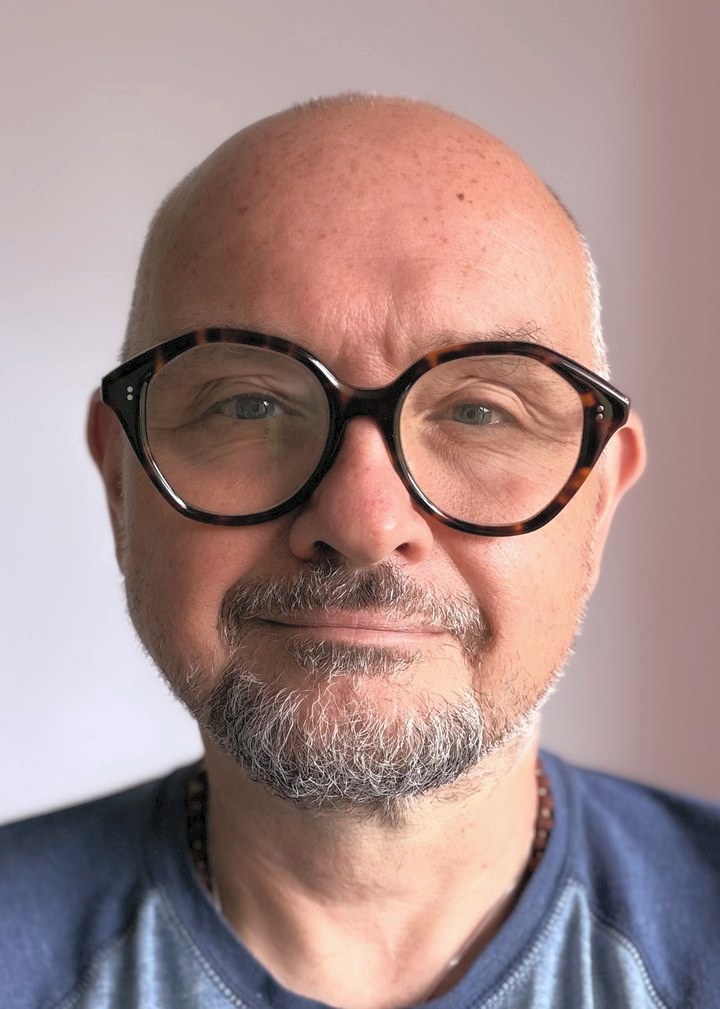
I’m Gary Keene, a counsellor and coach based in Kingston upon Thames.
The bowl
There’s a photograph of a bowl on the front of this site. It’s been broken and put back together, with the repairs left visible in gold.
Salman Akhtar tells a story about two bowls, one unbroken and one that was broken and then rebuilt. The rebuilt bowl holds a certain wisdom the unbroken one does not. It knows what it is to break, and what it is to come together again.
That seems true of much of the work I care about, and perhaps of most of us.
I’d add one thing. The point isn’t that the mended bowl is more beautiful, though it might be. It’s that it knows something. And the knowing came at a cost that nobody would have chosen.
How I came to this
The bowl is something of a self-portrait. I’ve had my own breaking and rebuilding, and I came out of it changed rather than restored to how I was before. I don’t think of what remains as damage so much as something I now understand from the inside. Where it’s of use to you, that understanding can quietly inform our work. Where it isn’t, it stays out of the room. The rebuilding is well behind me now, and what it left is simply a steadier place to sit with you from. Our hour is yours.
What it’s like to work with me
I’ll follow you rather than lead you, most of the time, and I’m not going to tell you what your difficulty means.
What I will do is pay close attention, check fairly often that we’re going somewhere useful, and say when I notice something. If I get it wrong, which I will, I’d sooner you told me. That’s usually more helpful than politeness.
I don’t think the point of this is insight. Plenty of people understand their difficulty perfectly well and are none the lighter for understanding it. What I can offer instead is somewhere to say the thing out loud, week after week, to someone who doesn’t need you to be all right.
What that gives you is fairly plain. For that hour you are not carrying it on your own. You don’t have to watch how it lands, or soften it, or stop when the other person has had enough. And you hear yourself say it, which is not the same as thinking it.
One more thing. If you describe something that sounds to me like you’re being badly treated, I’ll say so. I won’t tell you what to do about it, but I won’t sit there as though I hadn’t noticed either.
If you’d like to know what the hour itself is like rather than what I think about it, there’s a fuller account on the counselling page.
Training and accountability
- BSc in Pluralistic Person-Centred Counselling
- Post-Graduate Diploma in Gestalt Therapy
- Diploma in Advanced Executive Coaching
I’ve been practising as a counsellor for two years, counting my degree placement, and as a coach for eight. The Gestalt training is older than both. Gestalt is a way of working that attends to what is happening between two people while they talk, and to what the body is doing alongside the words, rather than only to the account being given. I qualified in it in 2004, and then life took a different direction for a while before I came back to this. The coaching diploma has a gap behind it too: I took it in 2010, and for several years afterwards the coaching I did was inside the organisations I was working in rather than as a practice of its own.
I’m a registered member of the British Association for Counselling and Psychotherapy (BACP), membership number 00986637. Registered membership means my training has been checked against BACP’s standards, that I’m bound by their Ethical Framework, and that there’s a complaints route that doesn’t go through me.
I’m in regular supervision, which means I take my work regularly to a more experienced practitioner to think it through, as all practising counsellors should, and I work within the 2025 BACP Ethical Framework for the Counselling Professions, which covers coaching as well as counselling. I hold professional indemnity insurance and I’m registered with the Information Commissioner’s Office.
If something about our work concerns you, I’d want to hear it first, and there’s a complaints route through the BACP if that doesn’t resolve it.
The first conversation is free. About twenty minutes, no obligation, and nothing is booked or paid for until after we’ve spoken.